Solstices and equinoxes explained
What the solstices and equinoxes are, why their dates move between years, and what they mean for daylight where you live, with exact dates and times.
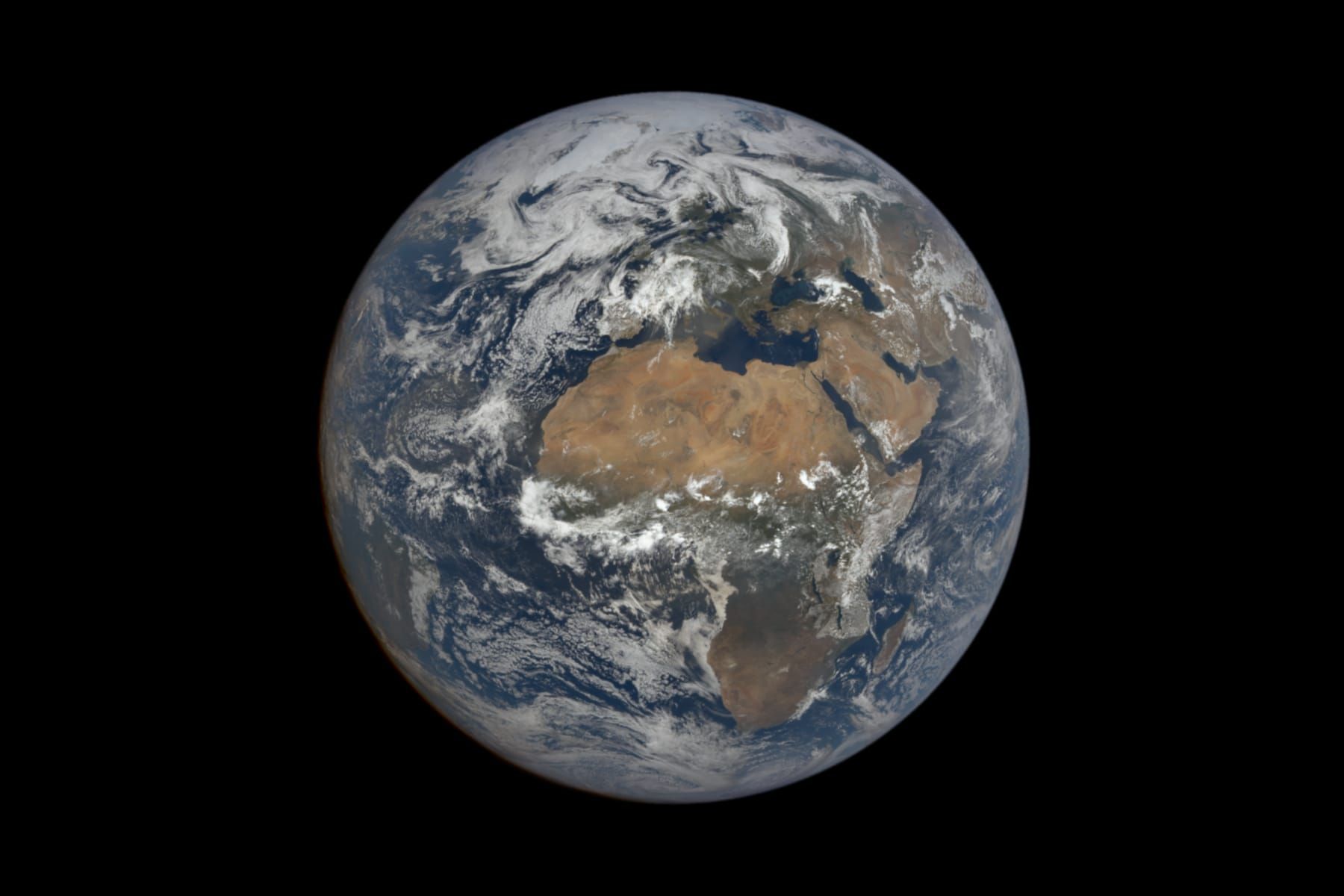
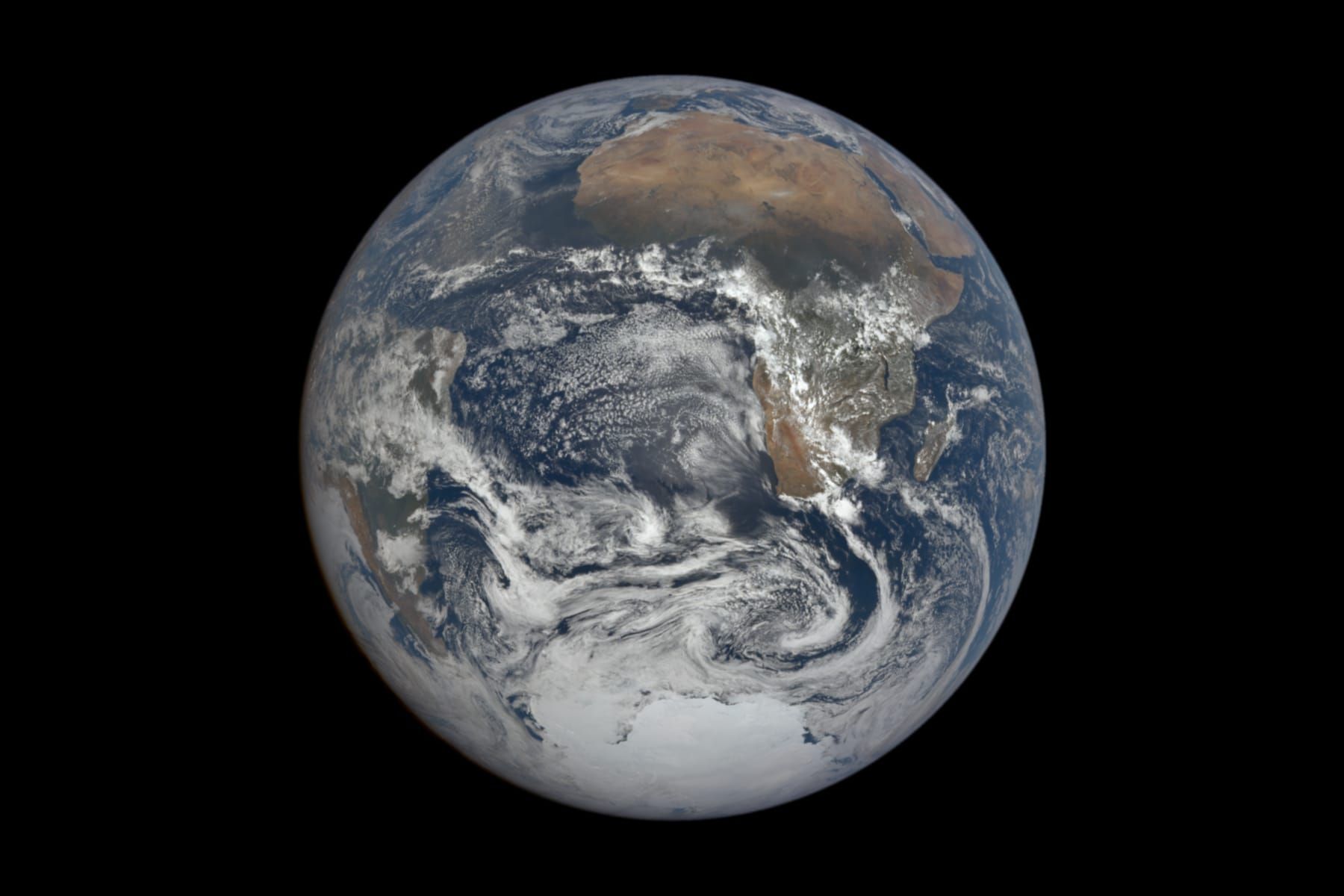
As Earth travels around the sun, the sun’s path across our sky slowly moves north and south over the year. The four turning points of that movement are the solstices and equinoxes. They mark the astronomical start of the seasons and the extremes of daylight.
The June and December solstices
At the June solstice (20 or 21 June) the sun reaches its northernmost position and stands directly overhead at noon on the Tropic of Cancer (about 23.4° N). For the Northern Hemisphere it is the day with the most daylight and the highest noon sun; north of the Arctic Circle the sun does not set at all. For the Southern Hemisphere it is the shortest day.
At the December solstice (21 or 22 December) the situation is reversed. The sun is overhead on the Tropic of Capricorn (about 23.4° S), the Northern Hemisphere has its shortest day, and the Southern Hemisphere its longest.
“Solstice” comes from the Latin for “sun stands still”: for a few days around it, the sun’s noon height and its sunrise and sunset directions hardly change.
The March and September equinoxes
At the equinoxes (around 20 March and 22 or 23 September) the sun crosses the celestial equator. It rises almost exactly due east and sets almost exactly due west everywhere on Earth, and day and night are close to equal in length at every latitude.
“Equinox” means “equal night”, but the equality is not exact. Because sunrise and sunset are defined by the upper edge of the sun, and because refraction lifts the sun’s image near the horizon, most places get a few minutes more day than night on the equinox.
Exact dates and times
A solstice or equinox is an instant, the same moment for everyone. Only the date and clock time depend on your time zone.
| March equinox | June solstice | September equinox | December solstice | |
|---|---|---|---|---|
| 2026 | March 20, 14:46 | June 21, 08:25 | September 23, 00:06 | December 21, 20:50 |
| 2027 | March 20, 20:25 | June 21, 14:11 | September 23, 06:01 | December 22, 02:42 |
| 2028 | March 20, 02:17 | June 20, 20:02 | September 22, 11:45 | December 21, 08:20 |
UTC
The dates wander because a year is not exactly 365 days but about 365.24. Each year the moment comes about six hours later, until a leap day pulls it back. The Gregorian calendar keeps this under control, so the dates stay within a two- or three-day window.
Day length at different latitudes
The further you are from the equator, the bigger the difference between the solstices. At the equator, days are about 12 hours and 7 minutes long all year. At 50° north, the longest day is more than twice as long as the shortest.
| Coordinates | June solstice | March equinox | December solstice |
|---|---|---|---|
| 0° N | 12 h 7 min | 12 h 7 min | 12 h 8 min |
| 20° N | 13 h 21 min | 12 h 7 min | 10 h 55 min |
| 40° N | 15 h 1 min | 12 h 8 min | 9 h 20 min |
| 50° N | 16 h 22 min | 12 h 10 min | 8 h 4 min |
| 60° N | 18 h 52 min | 12 h 13 min | 5 h 52 min |
| 66.6° N | all day | 12 h 16 min | 2 h 7 min |
| 70° N | all day | 12 h 18 min | none |
Astronomical and meteorological seasons
Astronomers start the seasons at the solstices and equinoxes. Meteorologists use whole months instead: in the Northern Hemisphere spring is March to May, summer June to August, autumn September to November, winter December to February. Meteorological seasons are simpler for statistics, and they line up better with temperatures, which lag behind the sun by several weeks.
Explore the dates
Each coming solstice and equinox has its own event page with the exact time in your time zone and day lengths around the world. The day length chart shows how daylight changes between them at any place.
Frequently asked questions
Is the solstice a whole day?
No. A solstice or equinox is a precise instant, the same moment everywhere on Earth. Only the date and clock time differ between time zones. The day on which it falls is often called the solstice day.
Why does the date of the solstice change?
A year is about 365.24 days long, so the moment of the solstice shifts by about six hours each year and jumps back by a day in leap years. Time zones also matter: a solstice late on 21 December in UTC is already 22 December in Asia and Australia.
Are day and night equal on the equinox?
Almost, but not exactly. Because of atmospheric refraction and because sunrise and sunset refer to the upper edge of the sun, most places get a few minutes more daylight than darkness on the equinox. The day when they are closest to equal is called the equilux and falls a few days before the March equinox and a few days after the September equinox.
Is the summer solstice the hottest day?
Usually not. Oceans and land take weeks to warm up, so the warmest part of the year typically comes in July or August in the Northern Hemisphere, several weeks after the June solstice.